


Isaac the Syrian – Philokalia: The fool’s portion is small in his eyes
The common thread that connects the thoughts of the second sermon of Saint Isaac the Syrian is gratitude to God. How we receive the gifts of God has great significance. One need only think of the story of the ten lepers in the Gospel. Only one returns to thank the Giver for the healing he has received. Lack of thanksgiving looks like dishonesty, says St. Isaac. It shows that a person does not understand the true value of what he has received and thus does not consider himself worthy of receiving anything greater. With the eyes of faith, one must understand the generosity of the healer, even when the healing is painful. Failure to acknowledge such goodness or generosity or to resist the gift only increases the agony of the condition. If we receive with true gratitude what the Lord gives us – whether it is painful or comforting – He will not fail to shower upon us greater graces for our salvation. Lacking such an understanding of things, God’s gifts seem small in one’s eyes – making one a “fool.”
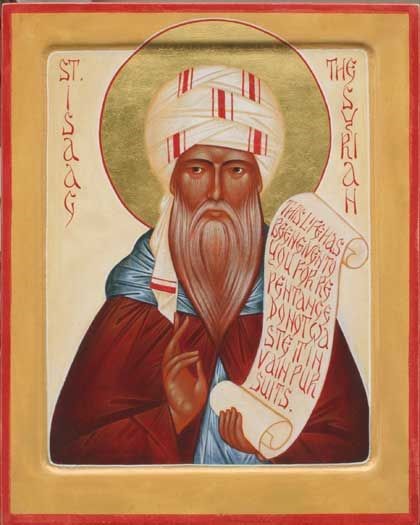
Isaak de Syriër : Philokalia: Het deel van de dwaas is klein in zijn ogen
De rode draad die de gedachten van de tweede preek van de heilige Isaac de Syriër met elkaar verbindt, is dankbaarheid jegens God. Hoe wij de gaven van God ontvangen, is van grote betekenis. Men hoeft alleen maar te denken aan het verhaal van de tien melaatsen in het Evangelie. Slechts één keert terug om de Gever te bedanken voor de genezing die hij heeft ontvangen. Gebrek aan dankzegging lijkt op oneerlijkheid, zegt St. Isaac. Het laat zien dat iemand de werkelijke waarde van wat hij heeft ontvangen niet begrijpt en zichzelf dus niet waard is iets groters te ontvangen. Met de ogen van het geloof moet men de vrijgevigheid van de genezer begrijpen, zelfs als de genezing pijnlijk is. Als je nalaat zulke goedheid of vrijgevigheid te erkennen of je tegen het geschenk te verzetten, wordt de kwelling van de aandoening alleen maar groter. Als we met echte dankbaarheid ontvangen wat de Heer ons geeft – of het nu pijnlijk of troostend is – zal Hij niet nalaten grotere genaden over ons uit te storten voor onze verlossing. Bij gebrek aan een dergelijk begrip van de dingen lijken Gods gaven klein in iemands ogen – waardoor iemand een “dwaas” wordt.
 christelijkeinformatiebron